Autonomous navigation for Deep Space.
Autonomous positioning, navigation, and timing from Cislunar orbit to Mars - via X-ray pulsar timing (XNAV) and Lie Group manifold state estimation.
Technical credibility before marketing.
Ground-truth evidence, rigorous mathematical theorems, and custom FPGA silicon architecture - built on decades of institutional pulsar research and space-grade verification.
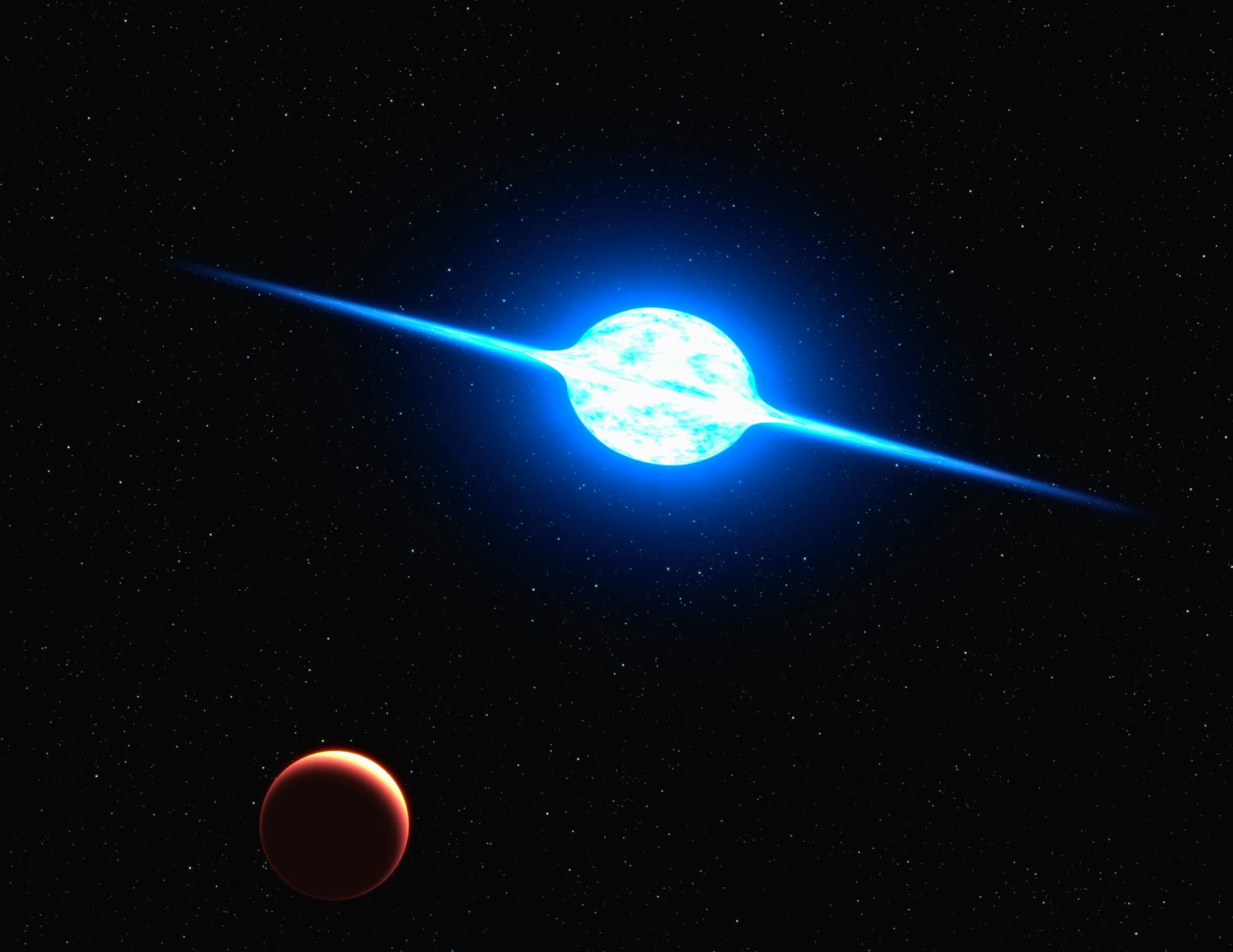
Inspired by decades of celestial & pulsar timing research
Building upon foundational orbital mechanics and pulsar navigation studies pioneered through NASA's SEXTANT mission on the ISS. We transformed photon-counting timing principles into a real-time 100 Hz Lie Group manifold architecture.
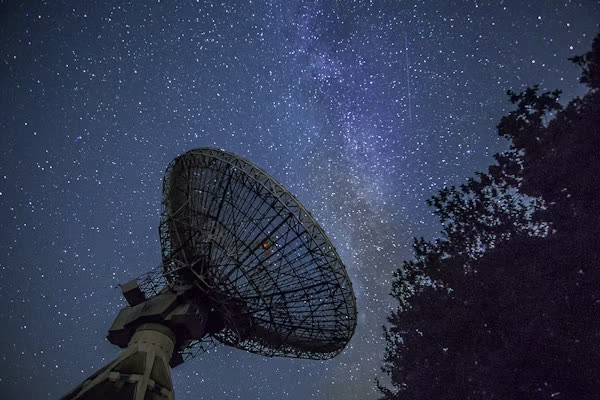
Fundamental observability of autonomous navigation without external infrastructure
Establishes the rigorous mathematical proof of 6D non-linear state observability on the SE(3) x R³ manifold. Proves continuous Lie derivative time evolution recovers full 6D observability.
Under central gravity fields, continuous Lie derivative time evolution recovers full 6D state observability rank(O) = 6.
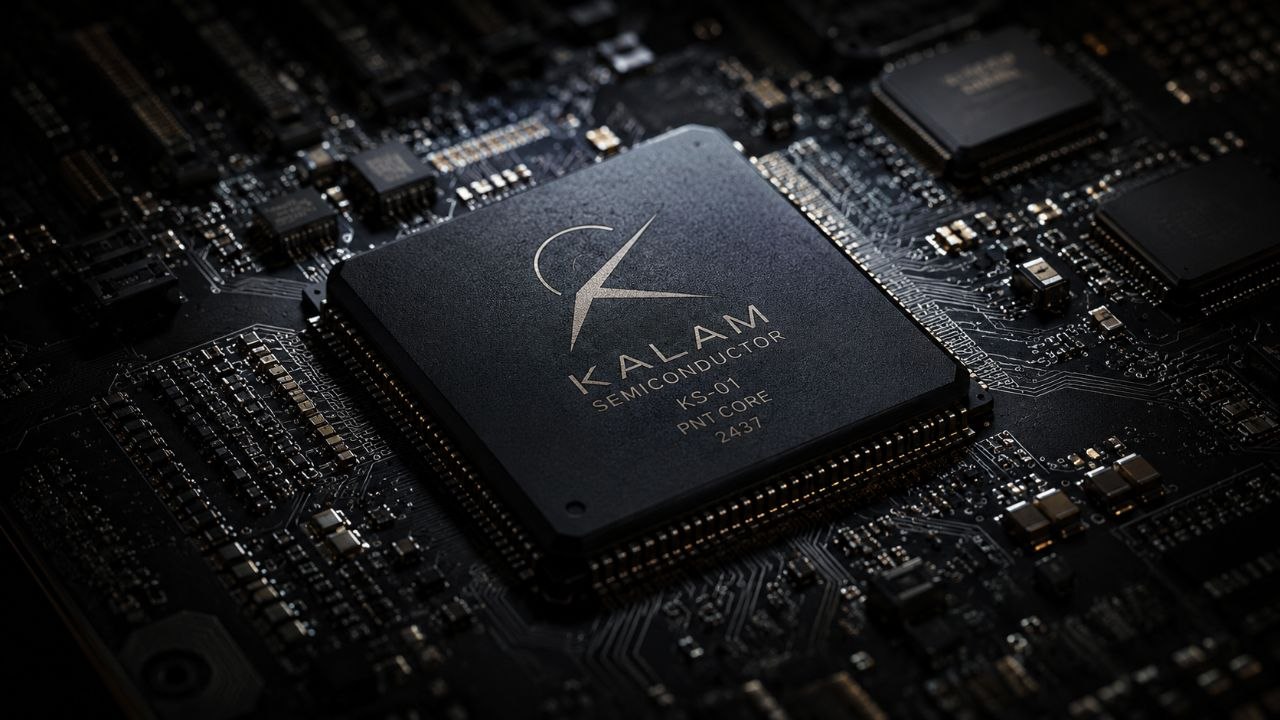
Custom FPGA silicon matrix acceleration
Proprietary hardware netlist performing parallel sparse Cholesky elimination on AMD/Xilinx Zynq UltraScale+ MPSoC. Accelerates Factor Graph Optimization by 50x under 1.5W power.
Beyond Earth, there is no GPS.
Cislunar space, the Moon, Mars, and interplanetary trajectories operate in complete radio isolation. Deep space probes rely on NASA's Deep Space Network (DSN) ground dishes - creating a severe bandwidth bottleneck, multi-hour latency, and zero onboard navigation autonomy.
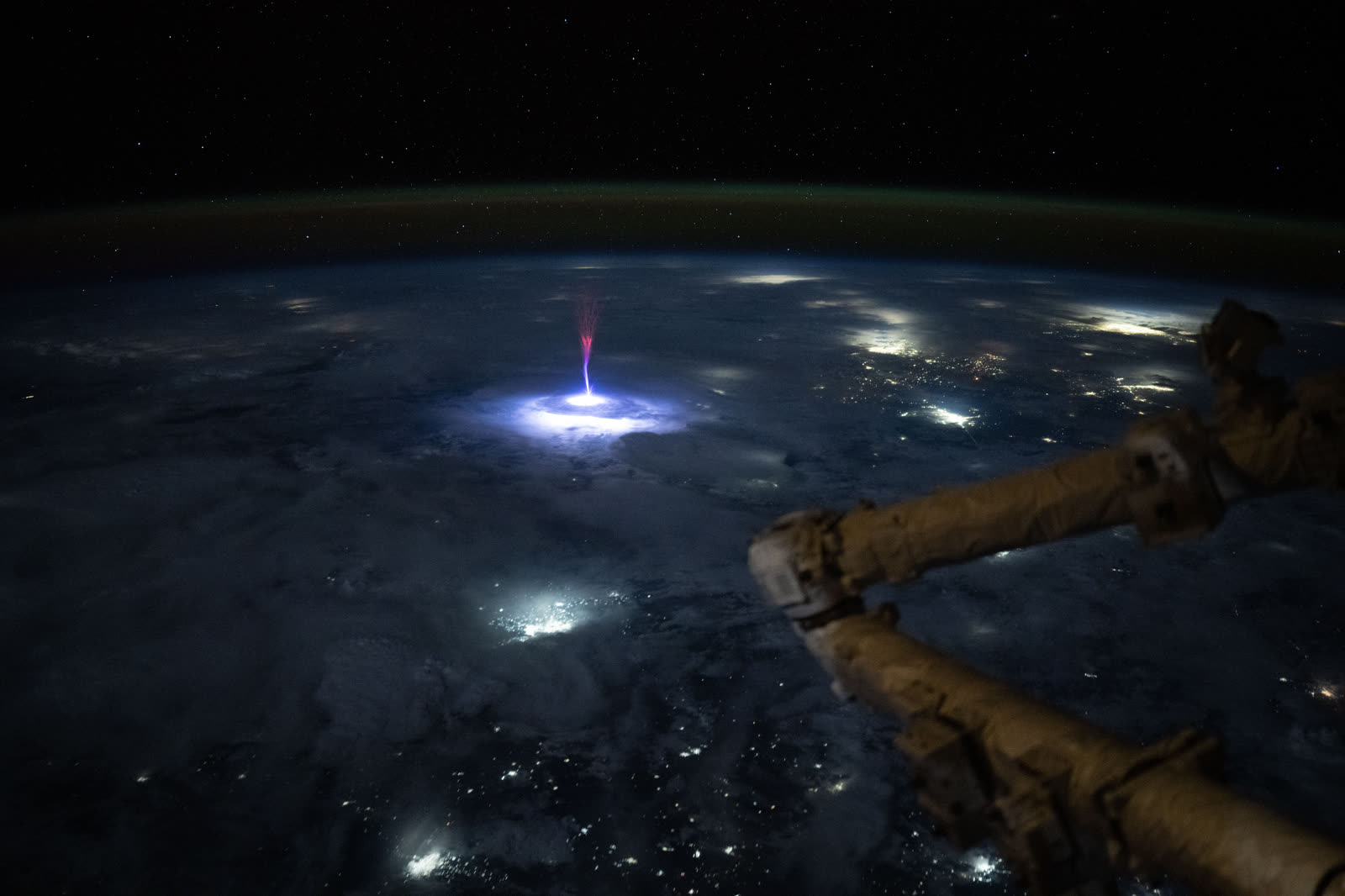
A 34-meter dish on Earth governing deep-space autonomy.
Deep space missions beyond Earth orbit face multi-hour radio propagation delays and critical DSN dish scheduling locks. As cislunar, lunar Gateway, and interplanetary traffic expands, ground-dependent tracking cannot scale.
Zero GNSS Coverage Beyond GEO
Beyond Geostationary Earth Orbit (35,786 km), GPS side-lobe signals decay into useless noise. Cislunar probes and Mars transit vehicles cannot receive terrestrial GNSS signals, forcing complete dependence on Earth radio passes.
Ground Station Capacity Bottleneck
NASA DSN and ESA ESTRACK ground stations are shared across hundreds of active space missions, limiting tracking passes to short windows and creating severe mission scaling limits.

Space positioning dead zones & 50W compute bottlenecks.
Beyond Earth orbit, GNSS coverage dissolves into positioning dead zones. Meanwhile, traditional non-linear state estimation algorithms require high-wattage CPUs (50W+) that overheat micro-satellites and tactical drone payloads.
Universal information-first navigation.
Instead of relying on single external signals, Kepler Nav reconstructs complete 6D vehicle state trajectories directly from the physical time-evolution of observables under orbital dynamics.
Fuses raw tactical IMU, optical star trackers, and radio RF observables into a unified Lie algebra manifold.
Leverages Chip-Scale Atomic Clocks (CSAC) for sub-10ns pulse timestamping & Doppler residual phase tracking.
Executes Lie Group Invariant EKF state propagation, delivering sub-millimeter position & velocity determination.
FPGA hardware netlist executing sparse Cholesky elimination at 100 Hz using under 1.5W of power.
Build with Kepler Nav.
Partner with our engineering team to integrate the UNIF-PNT navigation engine or deploy Kalam-Zero payloads for satellite and defense platforms.